
Understanding the Truth About Waterproof Vinyl Plank Flooring
Many homeowners find themselves completely overwhelmed when researching new flooring options for their renovation projects. You have likely seen advertisements claiming that certain modern materials are completely impervious to moisture and spills. The most common material boasting this incredible feature is luxury vinyl plank flooring, often referred to simply as LVP.
When you hear the term waterproof, you might imagine a product that can sit submerged in a pool without taking any damage. In the flooring industry, this definition requires a bit more nuance and technical explanation to fully grasp. As experienced flooring contractors, we want to clarify exactly what manufacturers mean when they use this powerful word.
In the year 2026, manufacturing technology has advanced to a point where the planks themselves are indeed completely waterproof. The synthetic materials used to construct these resilient planks do not absorb water, swell, or warp when exposed to surface moisture. However, understanding how water interacts with the entire flooring system is crucial for protecting your investment.
Your floor is not just a collection of planks, it is an interconnected system resting on top of a foundational subfloor. While the top layer of your new kitchen floor might repel a spilled glass of water, the surrounding environment matters. We need to explore the specific conditions where vinyl plank flooring thrives and where it might face unexpected challenges.
What Makes Luxury Vinyl Plank Flooring Waterproof?
To truly appreciate the durability of resilient flooring, we must look at the microscopic anatomy of a single plank. Traditional solid hardwood is a natural cellular material that acts like a sponge when exposed to high humidity or standing liquid. Vinyl flooring is entirely synthetic, built from layers of advanced plastics and resins that naturally repel moisture.
The core of a waterproof vinyl plank is typically made of either a stone plastic composite or a wood plastic composite. We will dive deeper into these cores later, but both are engineered to remain dimensionally stable under wet conditions. This rigid core is the primary reason the plank will not expand or cup like natural timber does when it gets wet.
Above the core sits the high definition print layer, which provides the incredibly realistic look of natural oak or maple. This photographic layer is sealed beneath a clear, durable wear layer made of urethane or polyurethane. This top protective coating is the first line of defense against everyday spills, muddy footprints, and pet accidents.
Finally, many premium vinyl plank flooring options include an attached underlayment pad on the bottom. This backing is often made of cork or closed cell foam, providing sound insulation and extra moisture resistance. Every single one of these layers is bound together using extreme heat and pressure, creating a unified waterproof barrier.
The Difference Between Water Resistant and Waterproof Flooring
One of the biggest sources of confusion for homeowners is the subtle difference in marketing terminology used by flooring brands. Some products are labeled as water resistant, while others proudly claim to be one hundred percent waterproof. Knowing the distinction between these two categories will save you from making a costly mistake in your home.
Water resistant flooring can handle minor spills and splashes, provided you clean them up relatively quickly. Laminate flooring often falls into this category, as its core is typically made from high density fiberboard. If water sits on a water resistant floor for too long, it will eventually seep into the seams and cause swelling.
Waterproof flooring, on the other hand, will not absorb moisture regardless of how long the liquid remains on the surface. You could theoretically leave a puddle of water on a waterproof vinyl plank for a week without damaging the plank itself. This makes it the superior choice for high moisture environments where accidents are common and sometimes go unnoticed.
However, we must reiterate a crucial point that many sales representatives fail to mention during the consultation. The fact that the luxury vinyl plank is waterproof does not mean your entire flooring system is flood proof. Water can still find its way around the edges of the room, bringing us to our next important topic.
How Water Interacts with Vinyl Plank Surfaces
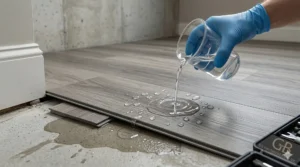
When you drop a wet towel on your new waterproof vinyl floor, the moisture stays resting on the surface tension. The urethane wear layer completely blocks the liquid from penetrating the decorative print layer beneath it. You can simply wipe away the mess with a dry cloth, leaving the floor looking absolutely pristine.
This surface level protection is why this material has become incredibly popular for busy households with young children and pets. The peace of mind knowing that a knocked over water bowl will not ruin your beautiful floor is invaluable. The resilient flooring handles daily life with incredible ease, requiring minimal stress or frantic cleaning routines.
Common Vulnerabilities in Vinyl Plank Flooring Installations
Even with the most advanced materials available in 2026, water can still cause significant damage if it bypasses the flooring. The planks themselves will not warp, but the seams between the planks and the edges of the room are potential vulnerabilities. If a massive amount of water floods the room, it will seek the lowest point through any available path.
If water seeps through the micro bevels between the planks, it can become trapped underneath the waterproof floor. This trapped moisture has nowhere to evaporate, creating a dark, damp environment that is perfect for mold and mildew growth. This invisible threat can compromise your indoor air quality and damage the structural subfloor below.
The perimeter of the room is another critical area where water can escape beneath the protective vinyl barrier. Flooring requires an expansion gap around the edges to allow the house to shift naturally with changing seasons. If a dishwasher leaks substantially, the water will flow straight into this expansion gap and soak the underlying structure.
This is why professional installation by an experienced flooring contractor is so incredibly important for the longevity of the project. We use specialized sealing techniques around wet areas, like bathtubs and dishwashers, to prevent water from reaching the expansion gaps. Proper perimeter sealing is the only way to ensure your waterproof floor actually protects the room.
Why the Subfloor Matters for Vinyl Plank Flooring
The subfloor is the structural layer of your house that supports the finished flooring material you walk on every day. In the Greater Boston Area, we typically encounter either wooden plywood subfloors or concrete slabs in basements. Neither of these subfloor materials is waterproof, making them highly susceptible to hidden moisture damage.
If a concrete slab has a high moisture emission rate, hydrostatic pressure can push water vapor up through the concrete. If you install a completely waterproof vinyl floor over a damp slab without a proper vapor barrier, disaster will follow. The moisture will hit the bottom of the waterproof vinyl, condense into liquid water, and ruin the concrete over time.
Wooden subfloors present a different set of challenges when dealing with topical water spills and plumbing leaks. If water gets under your vinyl plank flooring and soaks the plywood, the wood will rot and lose its structural integrity. You will eventually notice soft spots or dipping areas in your floor, indicating a massive hidden problem.
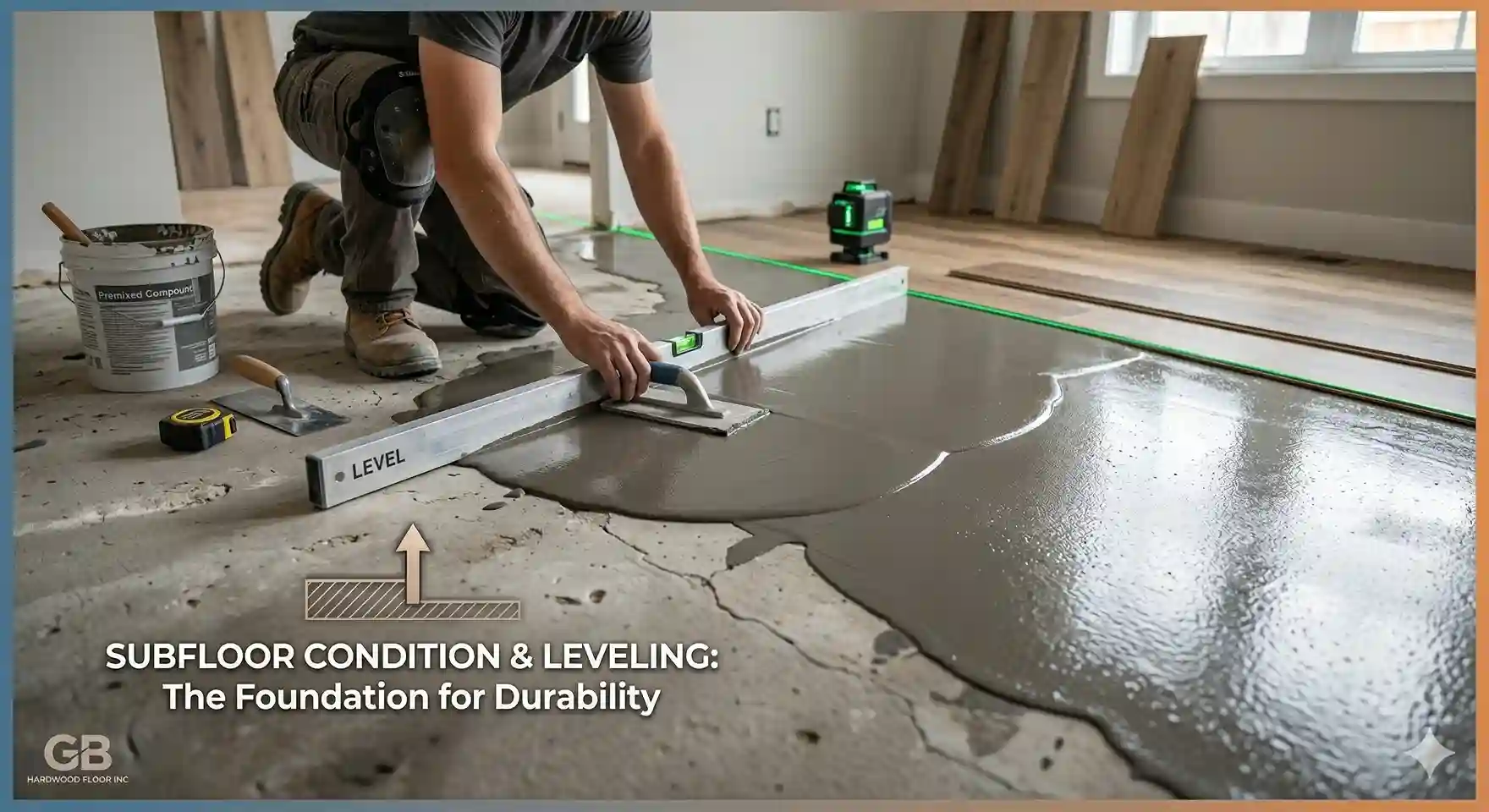
Before we install any flooring services, we conduct rigorous moisture testing on the existing subfloor to guarantee a safe environment. We utilize premium moisture mitigation systems and high quality vapor barriers to separate the subfloor from the new vinyl. This preparation phase is the foundation of a successful, truly water resistant installation.
Where Should You Install Waterproof Vinyl Plank Flooring?
Because of its incredible resilience to topical moisture, luxury vinyl plank can be installed in nearly any room. This versatility allows homeowners to create a seamless, unified look throughout their entire house without transitioning between different materials. You can run the exact same beautiful oak look from your front door all the way through your kitchen.
Kitchens are naturally the most popular location for this material, given the high volume of spills, dropped food, and heavy foot traffic. The waterproof nature means you do not have to panic if the refrigerator ice maker occasionally leaks on the floor. The scratch resistant wear layer also holds up exceptionally well against dropped utensils and sliding chairs.
Bathrooms have also seen a massive shift toward vinyl plank over the past few years, replacing traditional cold ceramic tiles. The synthetic planks are significantly warmer underfoot and provide a softer surface, which is ideal for early chilly mornings. As long as the perimeter is properly caulked with premium silicone, it is a fantastic choice for full bathrooms.
Mudrooms, entryways, and laundry rooms are also perfect candidates for this durable synthetic flooring service. When you track in winter slush, road salt, and rain from the harsh Massachusetts weather, the floor remains completely unfazed. It provides the elegant look of natural wood where installing actual solid hardwood would be a terrible mistake.
Basements and Moisture Control in New England
Basements in New England are notorious for high humidity, damp walls, and occasional seasonal groundwater seepage. Installing natural wood products in a below grade environment is highly risky due to the constant threat of moisture absorption. Engineered vinyl flooring was practically invented to solve the specific challenges of basement renovations.
Because it is an inorganic material, luxury vinyl will not harbor mold spores or rot in a damp basement setting. If your basement experiences a minor water event, the planks will not buckle or delaminate like traditional laminate flooring would. It provides a warm, comfortable living space while maintaining extreme resilience against the unpredictable underground elements.
The Core Materials, SPC vs WPC Vinyl Flooring
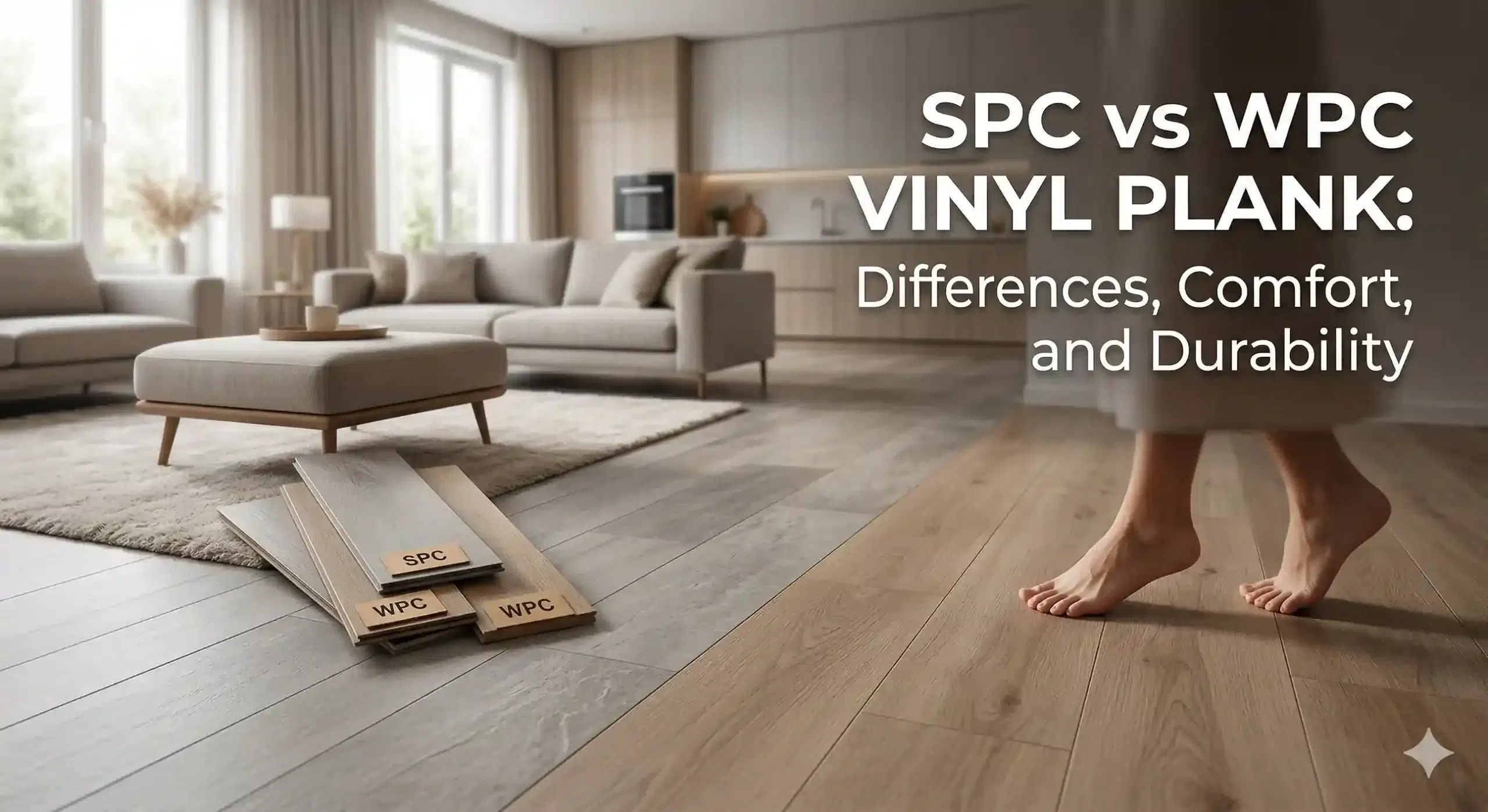
When shopping for high quality vinyl, you will frequently encounter two major acronyms, SPC and WPC. These acronyms refer to the composition of the rigid core that gives the plank its structural stability and waterproof properties. Understanding the difference between these two technologies will help you choose the right product for your specific lifestyle.
SPC stands for Stone Plastic Composite, which is currently the most popular and durable core available on the market today. The core is manufactured by combining limestone powder with polyvinyl chloride and specialized chemical stabilizers. This creates an incredibly dense, heavy, and rigid plank that is highly resistant to impacts and heavy static loads.
WPC stands for Wood Plastic Composite, which utilizes wood flour or wood dust mixed with foaming agents and thermoplastic resins. The foaming agents introduce tiny air pockets into the core, making the WPC plank lighter, thicker, and softer underfoot. While WPC is completely waterproof, it is slightly more susceptible to denting from heavy furniture than its stone based counterpart.
| Core Type | Primary Composition | Key Advantage | Best Room Application |
| SPC Core | Limestone and PVC | Extreme impact resistance and stability | Kitchens, Sunrooms, Commercial Spaces |
| WPC Core | Wood dust and PVC | Softer underfoot and warmer feeling | Bedrooms, Living Rooms, Basements |
| Standard LVP | Flexible PVC | Budget friendly and easy to cut | Low traffic areas, Temporary solutions |
For areas with massive temperature fluctuations, like sunrooms, the SPC core is the absolute best choice. The high stone content prevents the plank from expanding or contracting when exposed to direct, hot sunlight through large windows. Our team of interior construction experts can guide you toward the perfect core technology for your specific room conditions.
How Professional Flooring Installation Prevents Water Damage
The quality of the final floor is entirely dependent on the skill and precision of the installation process. Even the most expensive, highly engineered waterproof flooring will fail if it is installed incorrectly by an amateur. Our professional installation techniques are designed to maximize the water resistant properties of the entire system.
Modern vinyl planks utilize an advanced click lock mechanism that snaps the pieces together seamlessly without the use of messy adhesives. This locking system creates a tight, water resistant tension joint that prevents topical liquids from seeping between the boards. If the installer damages this delicate locking edge during assembly, that tight seal is completely compromised.
Our experts ensure that every single joint is tapped perfectly into place, creating a unified, floating floor surface. We also carefully plan the layout to avoid tiny, vulnerable cut pieces near areas prone to water exposure. The structural integrity of the click lock system is your primary defense against moisture reaching the subfloor.
We also pay extreme attention to the baseboards, shoe molding, and transition strips around the room. These trim pieces are not just decorative, they cover the required expansion gaps and protect the edges from water intrusion. A meticulous installation creates a beautiful, functional barrier that defends your home against everyday liquid accidents.
Acclimation and Temperature Fluctuations in 2026
A common myth is that because vinyl is synthetic, it does not need to acclimate to the home before installation. While it is much more stable than natural wood, extreme temperature changes can still affect the locking mechanisms. We always deliver the materials to your home ahead of time to allow them to adjust to your specific indoor climate.
Installing freezing cold planks that have been sitting in a delivery truck in January will cause the material to be brittle. As the floor warms up to room temperature, it will expand slightly, potentially causing the locked seams to buckle or peak. Proper acclimation is a mandatory step in our professional flooring services protocol.
Addressing Floods and Standing Water on Vinyl Planks
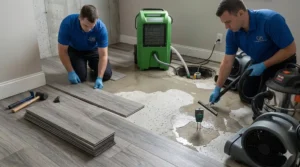
While we have established that vinyl plank flooring handles topical spills effortlessly, major flooding is a different scenario entirely. If a pipe bursts in your kitchen while you are away, standing water will eventually find its way under the floor. Knowing how to handle this situation can save your subfloor and potentially save the flooring itself.
If massive amounts of water get underneath your floating vinyl floor, you must act quickly to prevent dangerous mold growth. Because the planks are waterproof, the water trapped underneath has absolutely no way to evaporate through the surface. The only solution is to physically remove the moisture from the subfloor layer as soon as possible.
The incredible advantage of a floating click lock system is that it can often be carefully disassembled. Our technicians can come in, carefully unclick the planks, and remove them from the flooded area without damaging the material. We can then dry out the wooden subfloor using commercial dehumidifiers and powerful air movers.
Once the subfloor is completely dry and safe, we can often reinstall the exact same luxury vinyl plank material. This reusability makes it vastly superior to laminate or engineered hardwood, which would be completely destroyed by a major flood. It is an incredibly resilient system that offers remarkable long term value for unpredictable home emergencies.
Comparing Waterproof Vinyl Plank to Other Flooring Options
To truly understand the value of LVP, it is helpful to compare it directly against the other popular flooring categories. Many homeowners in Massachusetts are torn between the classic appeal of real wood and the modern practicality of synthetic options. Let us look at how vinyl stacks up against the competition regarding moisture resistance and durability.
When compared to Solid Hardwood, vinyl is the undisputed champion of water resistance. Solid oak or maple will instantly absorb water, leading to severe cupping, crowning, and eventual permanent warping of the boards. Hardwood requires immediate attention to spills and is never recommended for full bathrooms or damp basement environments.
Engineered Hardwood offers slightly better dimensional stability than solid wood, but its real wood veneer is still vulnerable to water damage. If a puddle sits on engineered wood, the veneer can delaminate and peel away from the plywood core beneath it. Vinyl eliminates this risk entirely, offering the aesthetic of wood without the biological vulnerabilities.
Ceramic and Porcelain Tile are the traditional kings of the waterproof flooring world, but they come with significant drawbacks. Tile is incredibly hard, cold on bare feet, and requires messy grout lines that are notoriously difficult to keep clean. Vinyl plank provides the same level of topical water resistance but with a softer, warmer feel and zero grout maintenance.
The Role of Wear Layers in Protecting Your Flooring Investment
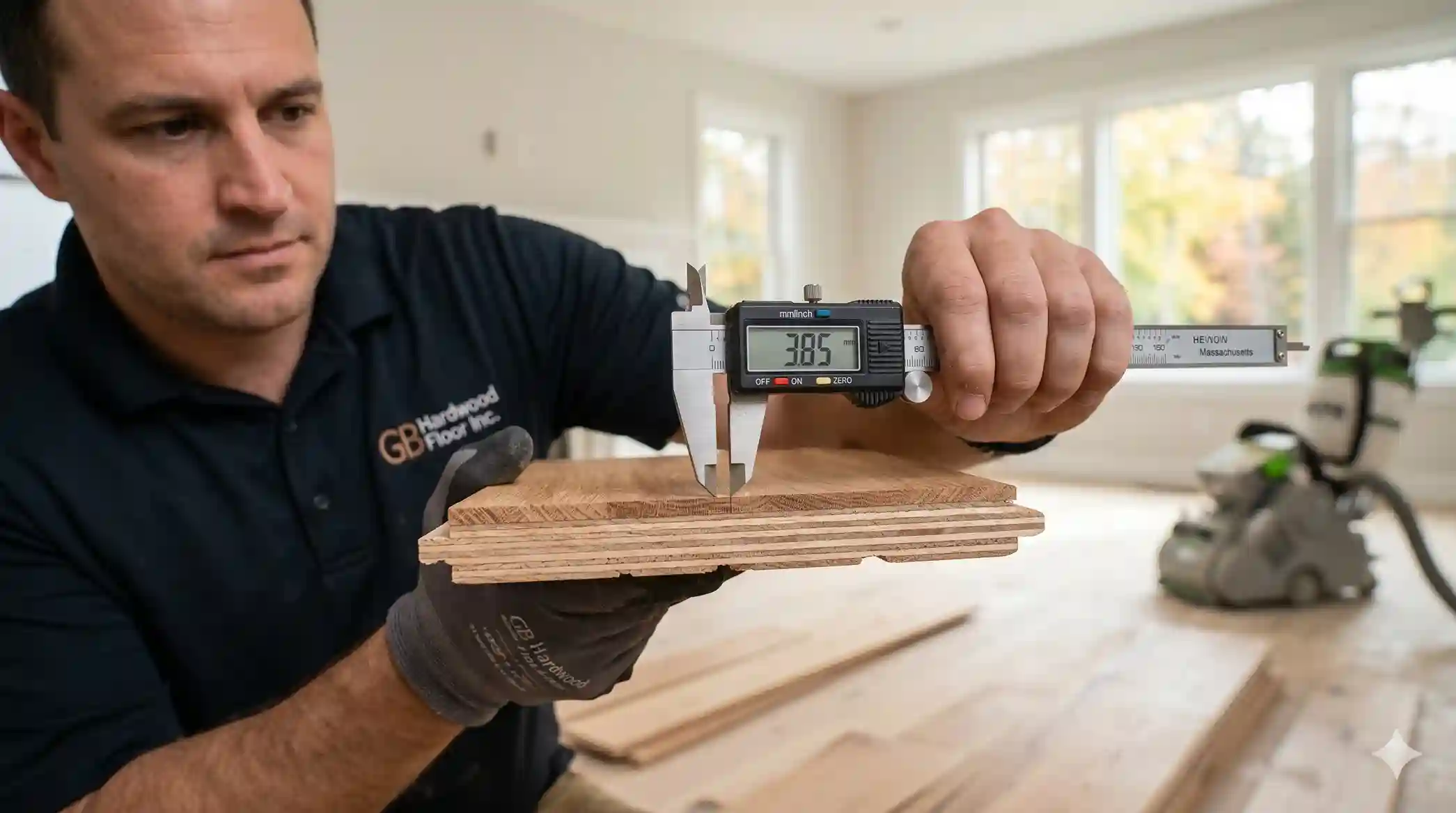
When evaluating different vinyl plank flooring options, you will frequently hear the term mil thickness regarding the wear layer. The wear layer is the clear, protective top coating that guards the photographic print against scratches, scuffs, and fading. It is important to note that a mil is one thousandth of an inch, not a millimeter.
The thickness of this wear layer directly dictates how long the floor will look brand new under heavy use. A standard residential product might feature a twelve mil wear layer, which is perfectly fine for low traffic bedrooms. For busy households with large dogs, we highly recommend upgrading to a twenty mil wear layer for maximum scratch protection.
Many premium products in 2026 also infuse their urethane wear layers with ceramic beads or aluminum oxide particles. These microscopic additives drastically increase the abrasion resistance of the floor, protecting it from sliding chairs and dropped objects. A high quality wear layer is what separates a cheap big box store product from a professional grade material.
Does the Wear Layer Prevent Water Penetration?
While the core is waterproof, the wear layer is what prevents liquids from staining the decorative print layer. If you spill dark red wine or acidic coffee on the floor, the urethane coating prevents the pigment from soaking in. This is why synthetic flooring services are so highly recommended for kitchens and dining rooms.
Even strong household chemicals and pet urine will not penetrate a high quality, properly maintained wear layer. You simply wipe up the mess, and the floor remains completely unblemished and odor free. This chemical resistance is a massive benefit that contributes to the overall waterproof and stain proof marketing claims.
Maintenance and Cleaning for Waterproof Vinyl Floors
One of the greatest joys of owning a waterproof vinyl floor is the incredibly simple and stress free maintenance routine. You do not need expensive specialty cleaners, conditioning oils, or heavy buffing machines to keep the floor looking pristine. A simple, consistent cleaning schedule is all that is required to maintain its original beauty for decades.
For daily maintenance, a soft bristle broom or a vacuum cleaner with the beater bar turned off is perfectly sufficient. Removing loose dirt and grit is important because abrasive particles can slowly dull the wear layer over time. Keeping the floor free of sand and small rocks is your best defense against premature microscopic scratching.
For a deeper weekly clean, a damp microfiber mop with a pH neutral vinyl floor cleaner is highly recommended. Because the floor is waterproof, you do not need to worry about using a slightly damp mop on the surface. However, you should never flood the floor with buckets of soapy water, as this can leave a cloudy, dulling residue.
There is one popular cleaning tool that you must absolutely avoid using on your new resilient flooring. Steam mops force boiling hot water and high pressure steam directly into the seams of the vinyl planks. This extreme heat can melt the adhesive layers within the plank and cause the protective wear layer to permanently cloud.
Environmental Factors and Indoor Climate Control
While luxury vinyl plank is remarkably stable, it is still a manufactured product that responds to its environment. Maintaining a consistent indoor climate is essential for the long term health of your entire home, including your floors. Extreme fluctuations in temperature and humidity can put unnecessary stress on the click lock mechanisms over time.
In the Greater Boston Area, our winters are incredibly dry due to indoor heating, while our summers are extremely humid. We recommend using humidifiers in the winter and air conditioning in the summer to keep indoor humidity relatively stable. A stable environment prevents the structural subfloor from expanding and contracting violently beneath the vinyl.
Direct, intense sunlight can also be an issue for certain types of flooring materials. If a large sliding glass door allows afternoon sun to bake a specific section of the floor, that area can become incredibly hot. Using UV blocking window treatments or selecting an SPC rigid core product will prevent thermal expansion issues in these sunlit zones.
By managing these environmental factors, you ensure that your flooring installation remains perfectly flat and tightly locked together. We provide all our clients with detailed care instructions to help them protect their home renovation investment perfectly.
Frequently Asked Questions About Waterproof Vinyl Flooring
Homeowners often bring us specific, highly detailed questions during our initial consultation process. We believe in providing complete transparency and education so you can make the best choice for your property. Here are some of the most common inquiries we receive regarding the waterproof nature of these modern materials.
Can pet urine ruin a luxury vinyl plank floor? The plank itself will not be damaged by pet accidents, as the urethane wear layer blocks the acidity. However, if the urine sits long enough to seep through the seams, it can soak into the subfloor and cause lasting odor issues. Prompt cleanup is always the best practice, even with highly resilient materials.
Will mold grow underneath my waterproof vinyl floor? Mold requires moisture, warmth, and organic food, like paper or wood, to grow and thrive. Because vinyl is inorganic, mold cannot eat the plank itself, but it can grow on trapped dust or a damp wooden subfloor beneath it. This highlights the importance of proper moisture mitigation before the installation begins.
Do I need to seal my vinyl plank floor after installation? No, modern engineered vinyl flooring comes completely pre finished from the factory with an advanced urethane coating. Applying topical waxes or aftermarket sealers will actually ruin the appearance of the floor, creating a cloudy, peeling mess. The floor is ready for heavy use the moment our installation team leaves your home.
Choosing GB Hardwood Floor Inc for Your Next Project
Selecting the right material is only the first step in your home improvement journey. Partnering with a dedicated, highly skilled local business ensures that your vision is executed flawlessly. At GB Hardwood Floor Inc, we pride ourselves on delivering unparalleled craftsmanship and technical expertise to every project, ensuring your 2026 renovation stands the test of time.
To ensure your flooring investment provides maximum durability and beauty, we focus on:
Meticulous Subfloor Preparation: We don’t just lay planks; we evaluate and prepare your subfloors to ensure a perfectly level foundation, preventing future shifts or structural noise.
Climate-Sync Acclimation: We understand the unique humidity and architectural challenges of the Greater Boston Area. We carefully acclimate all materials to your home’s specific environment before installation for a stable, long-lasting fit.
Precision Installation Technology: Whether you are installing the most advanced waterproof vinyl or classic hardwood, our team executes every project with laser precision, from commercial spaces to cozy residential updates.
Do not leave your next renovation to chance or trust it to inexperienced contractors. Contact GB Hardwood Floor Inc today to discuss your vision and schedule a professional consultation, or call our expert team directly at: (857) 540-2447
Expert Vinyl Plank Flooring Services Near You
Our reputation is built on reliability, cleanliness, and an unwavering commitment to quality. GB Hardwood Floor Inc provides deeply educational consultations to ensure you fully understand your investment while delivering a seamless installation experience across Massachusetts.
Explore our dedicated service pages to learn more about our professional solutions in your community:
- Vinyl Plank Flooring in Belmont MA
- Vinyl Plank Flooring in Canton MA
- Vinyl Plank Flooring in Cambridge MA
- Vinyl Plank Flooring in Wayland MA
- Vinyl Plank Flooring in Lexington MA
- Vinyl Plank Flooring in Dedham MA
- Vinyl Plank Flooring in Watertown MA
- Vinyl Plank Flooring in Wellesley MA
- Vinyl Plank Flooring in Arlington MA
- Vinyl Plank Flooring in Boston MA
- Vinyl Plank Flooring in Brookline MA
- Vinyl Plank Flooring in Chelsea MA
- Vinyl Plank Flooring in Cohasset MA
- Vinyl Plank Flooring in Dover MA
- Vinyl Plank Flooring in Everett MA
- Vinyl Plank Flooring in Hingham MA
- Vinyl Plank Flooring in Malden MA
- Vinyl Plank Flooring in Medfield MA
- Vinyl Plank Flooring in Medford MA
- Vinyl Plank Flooring in Milton MA
- Vinyl Plank Flooring in Needham MA
- Vinyl Plank Flooring in Newton MA
- Vinyl Plank Flooring in Norwood MA
- Vinyl Plank Flooring in Quincy MA
- Vinyl Plank Flooring in Randolph MA
- Vinyl Plank Flooring in Revere MA
- Vinyl Plank Flooring in Somerville MA
- Vinyl Plank Flooring in Waltham MA
- Vinyl Plank Flooring in Weston MA
- Vinyl Plank Flooring in Westwood MA
- Vinyl Plank Flooring in Weymouth MA
- Vinyl Plank Flooring in Winchester MA
- Vinyl Plank Flooring in Winthrop MA