

Understanding the Evolution of Vinyl Plank Flooring in 2026
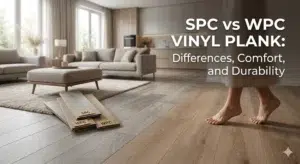
If you are currently navigating the world of home renovation, you have likely encountered two major acronyms that dominate the market: SPC and WPC. These represent the cutting edge of Luxury Vinyl Plank (LVP) technology, offering homeowners a waterproof, stylish, and long-lasting alternative to traditional materials.
Choosing between them is not just about picking a color, it is about understanding how the core construction affects your daily life. Whether you are looking for new floors for a city apartment or updating a suburban home, the structural differences matter.
At GB Hardwood Floor Inc, we believe that a well-informed homeowner makes the best decisions for their property. As we move through 2026, the demand for rigid core flooring has surpassed almost every other category due to its versatility and ease of maintenance.
What Is SPC Flooring and Why Does the Rigid Core Matter?
SPC stands for Stone Plastic Composite, though it is often referred to as Stone Polymer Composite. This material is widely considered the “heavy-duty” version of vinyl flooring. The core is composed of approximately 60% calcium carbonate (limestone), polyvinyl chloride, and stabilizers.
The result is an incredibly dense, rigid, and thin plank. Because the core is so hard, it offers superior dent resistance. If you have heavy furniture or active pets with sharp claws, SPC is designed to withstand that pressure without showing signs of wear or indentation.
Furthermore, SPC is highly stable during temperature fluctuations. In areas where the climate shifts dramatically, such as New England, having a floor that does not expand or contract significantly is a major technical advantage for long-term structural integrity.
What Is WPC Flooring and How Does It Differ?
WPC stands for Wood Plastic Composite. Despite the name, most modern WPC planks do not actually contain much wood flour anymore, but rather a mix of thermoplastics, calcium carbonate, and foaming agents. This “foamed” core is the secret to its unique feel.
The inclusion of air within the core makes the plank thicker and much softer underfoot than SPC. If you spend a lot of time standing in your kitchen or if you have children playing on the floor, the ergonomic comfort of WPC is a significant benefit that should not be overlooked.
WPC acts as a natural insulator, both for sound and temperature. It feels warmer to the touch in the winter and helps dampen the “clicking” sound often associated with harder surfaces. It is a premium choice for residential spaces where comfort is the top priority.
Technical Comparison: SPC vs WPC Composition
| Feature | SPC (Stone Plastic Composite) | WPC (Wood Plastic Composite) |
| Core Material | Limestone and PVC stabilizers | Foamed PVC and Calcium Carbonate |
| Plank Thickness | Typically 3.2mm to 7mm | Typically 5.5mm to 8mm+ |
| Rigidity | Ultra-rigid, zero flexibility | Semi-rigid with slight flexibility |
| Comfort | Harder, similar to tile | Softer, cushioned feel |
| Dent Resistance | Excellent (High density) | Good (Prone to heavy furniture dents) |
| Sound Absorption | Moderate (Requires underlayment) | Excellent (Natural sound barrier) |
Comparing Durability and Impact Resistance
When we talk about durability in 2026, we are looking at how a floor handles the “oops” moments of life. Both SPC and WPC are 100% waterproof, meaning a leaky dishwasher or a spilled drink won’t cause the planks to swell or delaminate like laminate or engineered wood might.
However, their resistance to physical impact varies. Because SPC vinyl has a stone-based core, it is almost impossible to dent. If you drop a heavy cast-iron skillet, the floor is likely to remain unscathed. This makes it the go-to for high-traffic commercial settings or mudrooms.
WPC, being softer, is slightly more susceptible to indentations. While it handles foot traffic beautifully, very heavy objects left in one place for years might leave a slight mark. For most residential applications, however, this is a minor trade-off for the added comfort it provides.
Wear Layer Importance for Both Types
Regardless of the core, the wear layer is what protects the visual design of your floor. When shopping for Vinyl Plank Flooring, always check the mil thickness. We recommend at least a 20 mil wear layer for active households.
This transparent top coating prevents scratches, stains, and UV fading. Even the strongest SPC core can look dull if the wear layer is insufficient. In 2026, many manufacturers are also adding ceramic bead technology to these layers for even greater scuff resistance.
Dimensional Stability in Variable Climates
One of the reasons many clients choose Vinyl Plank is the extreme weather we experience. SPC is the king of dimensional stability. It can be installed in large rooms without the need for transition moldings as frequently as other floors.
WPC is also stable, but because it is less dense than SPC, it may have slightly more movement in sunrooms or areas with direct, intense sunlight. If your home has massive floor-to-ceiling windows, the rigid nature of SPC might provide more peace of mind against “buckling.”
Comfort Underfoot and Sound Insulation
This is where the two materials diverge most sharply. If you walk on an SPC floor barefoot, it feels very similar to ceramic tile or natural stone. It is cold and hard. To combat this, many SPC products now come with an attached cork or foam underlayment.
WPC has comfort built into its DNA. The foamed core provides a literal cushion. If you are installing flooring in a nursery or a bedroom, WPC is usually the preferred option because it creates a much “softer” atmosphere.
Acoustic Performance and Noise Reduction
Noise is a major factor in multi-story homes. WPC is naturally quieter. It absorbs the sound of footsteps and falling objects, preventing that hollow echo. This makes it an ideal choice for second-floor installations where you want to minimize noise transfer to the rooms below.
SPC, due to its density, can be quite loud if installed without a high-quality pad. However, when paired with an IXPE (Irradiated Cross-Linked Polyethylene) backing, SPC can compete effectively with WPC in terms of decibel reduction.
Thermal Insulation and Warmth
Nobody likes stepping onto a freezing floor in the middle of a New England January. WPC retains heat better than the stone-composite core of SPC. If you are looking for the “warmest” vinyl option without installing radiant heating, WPC is your best bet.
That said, both types are generally compatible with underfloor radiant heating systems. If you plan to install such a system, always verify the manufacturer’s temperature limits to ensure the adhesive or the planks themselves do not reach a point of compromise.
Installation Considerations for 2026 Homeowners
Both SPC and WPC typically utilize a click-lock installation system. This “floating floor” method means no glue, nails, or staples are required. This makes the process faster and cleaner than traditional hardwood installation, which is a major win for busy families.
Subfloor Requirements
Because SPC is so rigid, it is very unforgiving of subfloor imperfections. If your subfloor has small dips or peaks, an SPC plank will not bend over them, it might just “bridge” the gap, which can eventually lead to the locking mechanism breaking.
WPC has a tiny bit of “give.” While you still want a level subfloor, WPC is slightly better at masking minor floor irregularities. If you are working on an older home, subfloor preparation is the most critical step to ensure the longevity of your investment.
DIY vs. Professional Installation
While many marketing materials suggest vinyl plank is a DIY project, the precision required for corners, door jambs, and moisture barriers often justifies professional help. At GB Hardwood Floor Inc, we ensure that the expansion gaps are perfect and the layout is aesthetically balanced.
A professional installation also guarantees that the manufacturer’s warranty remains valid. Many companies in 2026 have specific requirements for perimeter gaps and subfloor moisture levels that, if ignored, could void your protection.
Aesthetic Trends and Visual Variety

The beauty of modern vinyl is that it can mimic almost any material. Thanks to high-definition digital printing and embossed-in-register (EIR) textures, the grain you see actually matches the texture you feel.
Whether you want the look of reclaimed oak, modern maple, or even polished concrete, both SPC and WPC offer these visuals. In 2026, the trend has shifted toward wider and longer planks, which help small rooms feel more expansive and luxurious.
Choosing the Right Style for Your Space
Rustic/Traditional: Look for WPC with deep embossing to mimic the character of hand-scraped wood.
Modern/Minimalist: SPC often comes in sleeker, stone-look tiles or very clean, light-colored wood grains that suit a contemporary aesthetic.
Coastal: Light grays and “sand” tones are popular for homes near the water.
Maintenance and Long-Term Care
One of the biggest selling points for both materials is the ease of maintenance. You do not need to wax, buff, or sand these floors. In fact, doing so would damage the wear layer. A simple routine of sweeping and occasional mopping with a pH-neutral cleaner is all it takes.
Protection Against Scratches
While these floors are durable, they are not “scratch-proof.” In 2026, we still recommend using felt pads under all furniture legs. Avoid dragging heavy items across the floor. If a plank does get damaged, the beauty of the click-lock system is that a professional can often replace a single plank without tearing up the whole room.
Cleaning Products to Avoid
Stay away from steam mops, as the intense heat and moisture can occasionally weaken the adhesive bonds or the core over many years. Also, avoid “mop and shine” products that leave a waxy buildup, which can trap dirt and make the floor look cloudy over time.
Which Should You Choose? The Final Verdict
The decision between SPC and WPC really comes down to the specific needs of the room and your personal lifestyle. Neither is “better” than the other in a vacuum, they simply solve different problems.
Choose SPC If:
You are flooring a commercial space or a very high-traffic area.
You are worried about dents from heavy furniture or pets.
The room experiences direct sunlight and extreme temperature shifts.
You want the most stable floor possible for a large open-concept area.
Choose WPC If:
You want maximum comfort for your feet and joints.
Sound insulation is a top priority for upper floors.
The floor is for a bedroom, living room, or nursery.
The subfloor has very minor imperfections that need to be masked.
No matter which you choose, investing in high-quality vinyl plank flooring is a smart way to increase your home’s value and livability. If you are ready to see samples or need a professional assessment of your space, we are here to help.
Conclusion: Choosing the Perfect Foundation for Your Life
Choosing between SPC and WPC is a significant step in your home improvement journey. By understanding the stone-based structural strength of SPC and the enhanced cushioned comfort of WPC, you can select the perfect technical foundation for your property in 2026. Both options provide the 100% waterproof protection and aesthetic excellence that modern Massachusetts homeowners demand, ensuring your investment remains pristine for decades.
To ensure your luxury vinyl installation delivers maximum performance, we focus on:
Core Composition Analysis: We help you decide between the rigid, ultra-durable stone plastic composite (SPC) for high-traffic areas or the wood plastic composite (WPC) for superior underfoot insulation and noise reduction.
Structural Precision: Our team evaluates your subfloor integrity to ensure that whether you choose SPC or WPC, the installation remains stable, level, and free from structural shifts.
Long-Term Protection: Both systems offer an elite wear layer that resists scratches and moisture, armoring your home against the specific environmental challenges of the Greater Boston climate.
Ready to upgrade your home with the highest-rated vinyl plank options on the market? Contact GB Hardwood Floor Inc today to schedule your professional consultation and let our experts guide you to the perfect choice for your specific needs, or call us directly at: (857) 540-2447
Expert Vinyl Plank Flooring Services Near You
Partnering with a trusted local specialist is the only way to guarantee that your high-performance flooring is installed to the highest technical standards. GB Hardwood Floor Inc provides unmatched craftsmanship and reliable service throughout the region.
Explore our dedicated service pages to learn more about our professional SPC and WPC installations in your community:
- Vinyl Plank Flooring in Arlington, MA
- Vinyl Plank Flooring in Belmont, MA
- Vinyl Plank Flooring in Boston, MA
- Vinyl Plank Flooring in Brookline, MA
- Vinyl Plank Flooring in Cambridge, MA
- Vinyl Plank Flooring in Canton, MA
- Vinyl Plank Flooring in Chelsea, MA
- Vinyl Plank Flooring in Cohasset, MA
- Vinyl Plank Flooring in Dedham, MA
- Vinyl Plank Flooring in Dover, MA
- Vinyl Plank Flooring in Everett, MA
- Vinyl Plank Flooring in Hingham, MA
- Vinyl Plank Flooring in Lexington, MA
- Vinyl Plank Flooring in Malden, MA
- Vinyl Plank Flooring in Medfield, MA
- Vinyl Plank Flooring in Medford, MA
- Vinyl Plank Flooring in Milton, MA
- Vinyl Plank Flooring in Needham, MA
- Vinyl Plank Flooring in Newton, MA
- Vinyl Plank Flooring in Norwood, MA
- Vinyl Plank Flooring in Quincy, MA
- Vinyl Plank Flooring in Randolph, MA
- Vinyl Plank Flooring in Revere, MA
- Vinyl Plank Flooring in Somerville, MA
- Vinyl Plank Flooring in Waltham, MA
- Vinyl Plank Flooring in Watertown, MA
- Vinyl Plank Flooring in Wayland, MA
- Vinyl Plank Flooring in Wellesley, MA
- Vinyl Plank Flooring in Weston, MA
- Vinyl Plank Flooring in Westwood, MA
- Vinyl Plank Flooring in Weymouth, MA
- Vinyl Plank Flooring in Winchester, MA
- Vinyl Plank Flooring in Winthrop, MA